
The dietitian startup Fay is on a trajectory that’s capturing attention across the healthcare and tech industries. With a recent injection of $25 million from General Catalyst and other investors, Fay’s innovative approach to dietetic care is redefining how patients manage their health through nutrition, especially those on Ozempic for diabetes management.
How is Fay revolutionizing dietetic care?
Imagine a world where nutrition advice is personalized, accessible, and integrated seamlessly into healthcare. That’s the vision Fay is bringing to life. With a network of over 1,000 registered dietitians, Fay is tapping into the power of telehealth to provide personalized nutrition therapy that’s grounded in the philosophy of food as medicine.
Patients benefit from tailored plans that cater not just to their dietary needs but also to their busy lifestyles. Fay’s platform facilitates easy connections between dietitians and those seeking their expertise, ensuring that distance and time are no longer barriers to receiving quality care.
The startup’s innovative use of technology extends to its dealings with insurance providers, streamlining the process to make dietetic services more accessible and affordable. Fay’s approach is holistic, proactive, and designed for the digital age, marking a significant leap forward in the dietetic field.
What challenges do dietitian startups face in 2024?
The landscape of healthcare startups is as promising as it is challenging. Dietitian startups like Fay are navigating a complex web of regulations, competition, and the need for continuous innovation. Securing funding and establishing a trusted brand in a crowded market are among the hurdles to overcome.
There’s also the challenge of integrating with existing healthcare systems, which often requires startups to have a deep understanding of not just technology, but also the intricate workings of healthcare policies and insurance protocols.

Add to this the need to maintain a high standard of care and patient confidentiality in a digital space, and it becomes clear that dietitian startups must be adept at managing a multitude of moving parts to succeed.
How does Fay connect dietitians with patients and insurance providers?
Fay’s platform is the conduit through which dietitians, patients, and insurance providers find alignment. By using advanced telehealth technology, Fay enables dietitians to offer online consultations, creating a care model that’s both effective and efficient.
An integrated system allows for easy billing and insurance claims, removing administrative burdens from both dietitians and patients, and making the process of receiving and providing care smoother.
The ease of use and emphasis on accessibility attract Ozempic patients, who often require ongoing support to manage their condition. This focus on a specific patient group has contributed significantly to Fay’s success.
What role do Ozempic patients play in Fay’s success?
Ozempic patients are a central pillar in Fay’s booming growth. This demographic often needs specialized dietary guidance to manage their condition effectively, and Fay’s platform offers the personalized care they require.
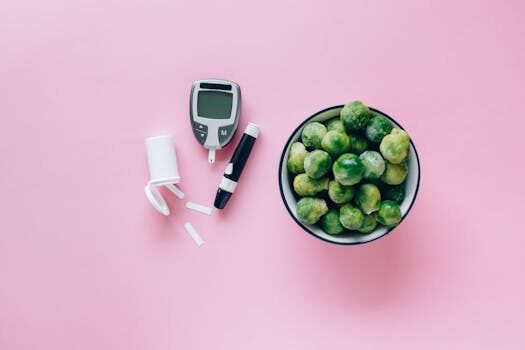
The startup’s ability to connect these patients with registered dietitians has not only improved health outcomes but also demonstrated Fay’s potential to adapt care models to meet specific needs, thereby validating the platform’s efficacy and scalability.
This focus on a target patient group has positioned Fay as a leader in the field, setting a precedent for others to follow in how to address the nuanced demands of chronic disease management through dietetic care.
How is nutrition therapy evolving in the digital age?
The digital age is ushering in a new era for nutrition therapy. With the rise of telehealth and an increasing focus on preventative care, dietitians are now able to provide their services to a wider audience than ever before.
Online platforms are making it possible to track dietary habits and health progress in real-time, allowing for dynamic adjustments to treatment plans. This immediacy and flexibility are key to the success of modern nutrition therapy.
Moreover, the digital age has fostered a more collaborative approach to healthcare. Dietitians are now part of an integrated care team, working alongside doctors, therapists, and other health professionals to provide comprehensive care through a shared platform.

What innovations are emerging in the dietetic industry?
Innovations in the dietetic industry are reshaping how nutrition services are delivered and consumed. From AI-driven meal planning tools to advanced nutrient analysis software, technology is at the forefront of these advancements.
One significant trend is the use of big data to inform personalized nutrition plans. By analyzing vast amounts of dietary and health data, dietitians can pinpoint the most effective strategies for individual patients.
Additionally, wearable technology is providing dietitians with a wealth of information about a patient’s daily habits, enabling more nuanced advice and monitoring. This data-driven approach is proving to be a game-changer in the field of dietetics.
Frequently asked questions about dietitian startups and Fay’s role
What is the impact of funding on dietitian startups?
Funding is the lifeblood of any startup, and for dietitian startups, it’s no different. Investment from entities like General Catalyst allows these companies to scale their platforms, refine their technology, and expand their reach to new markets.
With sufficient funding, startups like Fay can continue to innovate and disrupt the traditional healthcare model, providing more people with access to high-quality nutrition services.

How are dietetic practices adapting to telehealth?
Telehealth is transforming dietetic practices by making them more accessible. Dietitians are now able to offer consultations and follow-ups online, breaking down geographical barriers and reaching patients in remote locations.
The adaptation also includes utilizing digital tools for monitoring progress and engaging with patients, which has made continuous care a practical reality.
What benefits do online consultations provide for patients?
Online consultations offer convenience, privacy, and often, a more affordable way to access dietetic services. Patients no longer need to travel or take time off work to meet with their dietitians, making it easier to maintain regular appointments.
For those with mobility issues or chronic illnesses, this approach is not just beneficial; it’s essential for their continued care and well-being.
How does Fay’s model differ from traditional dietetic practices?
Fay’s model differs from traditional practices by leveraging technology to facilitate interactions between dietitians and patients. The use of an online platform means that care can be provided anytime, anywhere, making it more adaptable to patient needs.

Moreover, Fay’s model includes integration with insurance providers, which streamlines the process of claims and payments, making dietetic services more affordable and accessible.
What future trends should we expect in the dietetic industry?
The future of the dietetic industry looks bright, with an emphasis on personalized care and technology integration. Patients can expect more targeted nutrition advice based on their unique genetic makeup and lifestyle factors, delivered through sophisticated digital platforms.
Another trend to watch is the growth of community-based nutrition initiatives, where dietitians engage with groups to promote healthy eating habits on a larger scale.
While the video carousel is absent, the information provided gives a comprehensive look into the dynamic world of dietitian startups like Fay. With their recent funding success and innovative approach, Fay is setting new standards in the field of nutrition therapy, making it an exciting time for patients and practitioners alike.





This is such an inspiring read! Fay’s approach to personalized nutrition therapy is exactly what the dietetic field needs in this digital age. It’s awesome to see how they’re using tech to make nutrition advice more accessible and aligned with modern lifestyles. The focus on Ozempic patients shows a real understanding of niche needs, which is super important. Can’t wait to see how Fay continues to innovate and set new standards in healthcare.
This is such an inspiring read! It’s amazing to see how Fay is transforming dietetic care by combining technology and personalized nutrition. The focus on accessibility and holistic health is a game-changer for Ozempic patients and really sets Fay apart in the healthcare space. Can’t wait to see how they continue to innovate and make a difference in the industry!
This is super inspiring! It’s awesome to see how Fay is shaking things up in dietetic care by making it more accessible and personalized. The integration of telehealth with nutrition therapy feels like a game-changer, especially for Ozempic patients who need ongoing support. Can’t wait to see how Fay continues to innovate and make quality nutrition care available to more people.